
Sunday, February 10, 2013
Monday, October 12, 2009
Lantau Peak


Jesse Owens
Aka: Phoenix Mountain
GPS: N22.249769° E113.921303°
Elevation: 934m
Free map from Lands Department


Thursday, August 28, 2008
Notes on Zeiss Distagon T* 28mm f/2.0 ZF & Nikkor 45mm f/2.8 P
Zeiss Distagon T* 28mm f/2.0 ZF
f/2.8 Center 80% of frame is very sharp.
Slight peripheral softness.
f/4.0 as sharp as any Nikkor can get.
f/8.0 sets the perfect golden standard.
Nikkor 45mm f/2.8 P
f/2.8
60% of the center frame is already rendered quite sharply.
However the extreme left and right frame is soft.
Peripheral softness is visible.
f/4
Strangely the four corners are distinctively soft.
Whereas the center of the frame is very sharp.
Acceptable portraits at f/4.0, maybe.
Must position subject in center of the frame.
f/8.0
This lens is almost totally primed.
The entire frame is extremely sharp.
Large improvement on the peripheral sharpness over f/2.8.
Good enough for landscape photography.
Near Zeiss performance.
f/2.8 Center 80% of frame is very sharp.
Slight peripheral softness.
f/4.0 as sharp as any Nikkor can get.
f/8.0 sets the perfect golden standard.
Nikkor 45mm f/2.8 P
f/2.8
60% of the center frame is already rendered quite sharply.
However the extreme left and right frame is soft.
Peripheral softness is visible.
f/4
Strangely the four corners are distinctively soft.
Whereas the center of the frame is very sharp.
Acceptable portraits at f/4.0, maybe.
Must position subject in center of the frame.
f/8.0
This lens is almost totally primed.
The entire frame is extremely sharp.
Large improvement on the peripheral sharpness over f/2.8.
Good enough for landscape photography.
Near Zeiss performance.
Monday, January 15, 2007

Friday, January 05, 2007
Tuesday, January 02, 2007


Sunday, December 31, 2006
Saturday, December 30, 2006





Friday, December 29, 2006

Tuesday, December 26, 2006
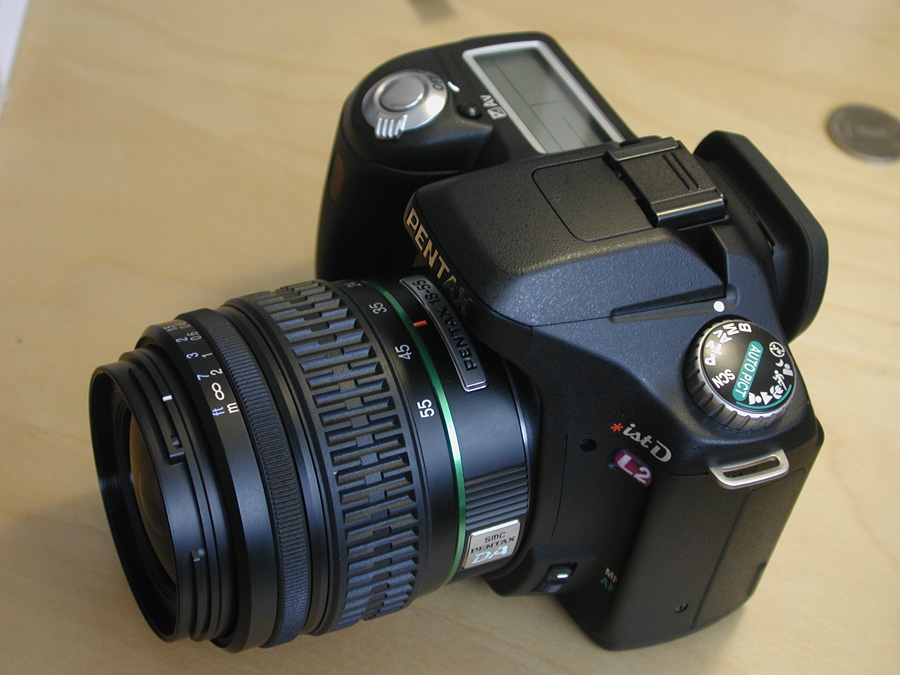
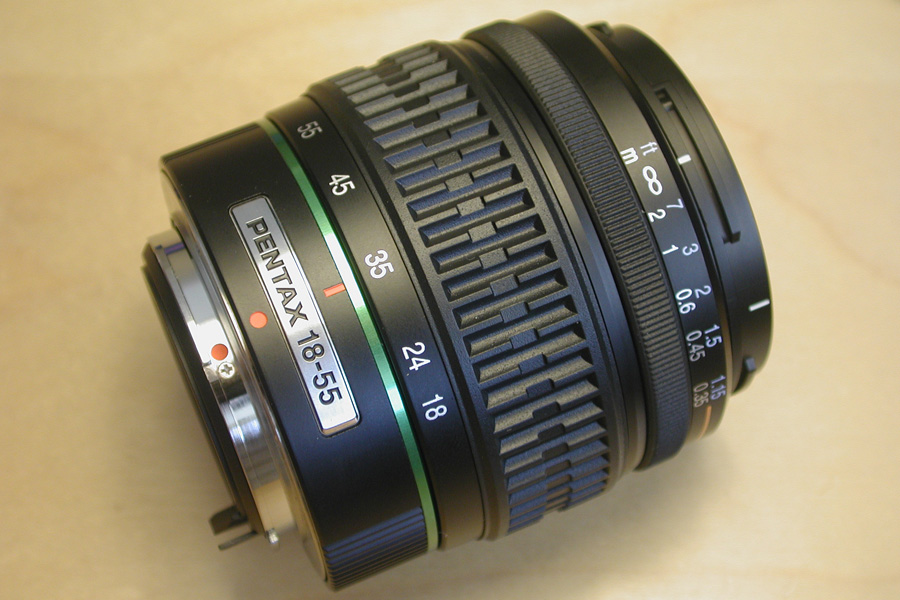
smc Pentax 18-55mm F3.5-5.6 AL
Lens information:
12 Elements, 9 groups.
Contains one aspherical element.
Smallest Aperture: 22-38
35mm Equivalent: 27.5-84mm
Closest focusing distance: 25mm
Filter Size: 52mm


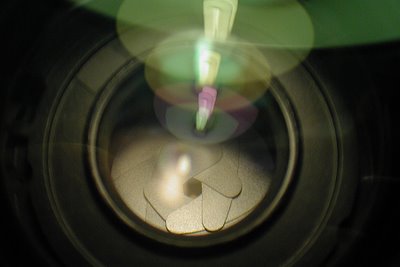
12 Elements, 9 groups.
Contains one aspherical element.
Smallest Aperture: 22-38
35mm Equivalent: 27.5-84mm
Closest focusing distance: 25mm
Filter Size: 52mm



Monday, December 25, 2006


Wednesday, November 29, 2006
Why use older mechanical cameras?
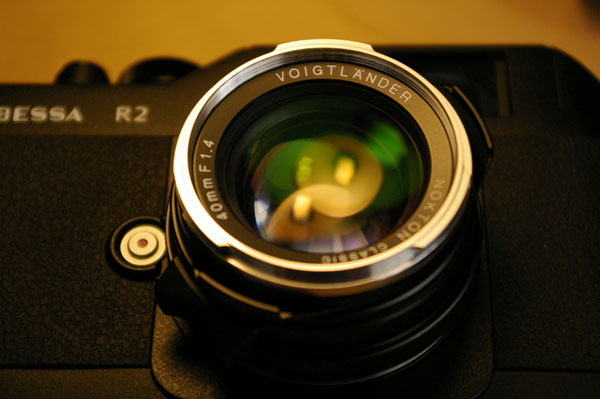
Photographers are equipment lovers, connoisseurs of mechanical minutiae, aficionados of quality lenses, appreciators of fine design. Some cameras and lenses simply "speak to us": something visceral happens when we hold them and use them.
I personally think this visceral hit occurs more often with older cameras. There is something in the heft and feel of older, mechanical cameras that is missing from many of the newer polycarbonate models. Some of these new cameras are superb instruments, to be sure, and are just what the professional needs, but they don't bring the same aesthetic to the table. Call it "design as art form" or even "form follows function", many older cameras are beautiful machines you can enjoy and savor over and over again. Some are not so beautiful, but have a scruffy personality that makes them endearing. And they still take good pictures. And they're cheap (Leicas being a notable exception). So in addition to being a literal description, "Old Beater" is also a term of affection and endearment. If the term bothers you, you can use the more upscale term "Heritage Camera", but "Old Beater" suits me fine.
So, hats off to the fine cameras of yesteryear! Keep 'em snapping and keep 'em alive! Salut!
I personally think this visceral hit occurs more often with older cameras. There is something in the heft and feel of older, mechanical cameras that is missing from many of the newer polycarbonate models. Some of these new cameras are superb instruments, to be sure, and are just what the professional needs, but they don't bring the same aesthetic to the table. Call it "design as art form" or even "form follows function", many older cameras are beautiful machines you can enjoy and savor over and over again. Some are not so beautiful, but have a scruffy personality that makes them endearing. And they still take good pictures. And they're cheap (Leicas being a notable exception). So in addition to being a literal description, "Old Beater" is also a term of affection and endearment. If the term bothers you, you can use the more upscale term "Heritage Camera", but "Old Beater" suits me fine.
So, hats off to the fine cameras of yesteryear! Keep 'em snapping and keep 'em alive! Salut!
Saturday, November 25, 2006


Monday, November 20, 2006

Wednesday, November 15, 2006


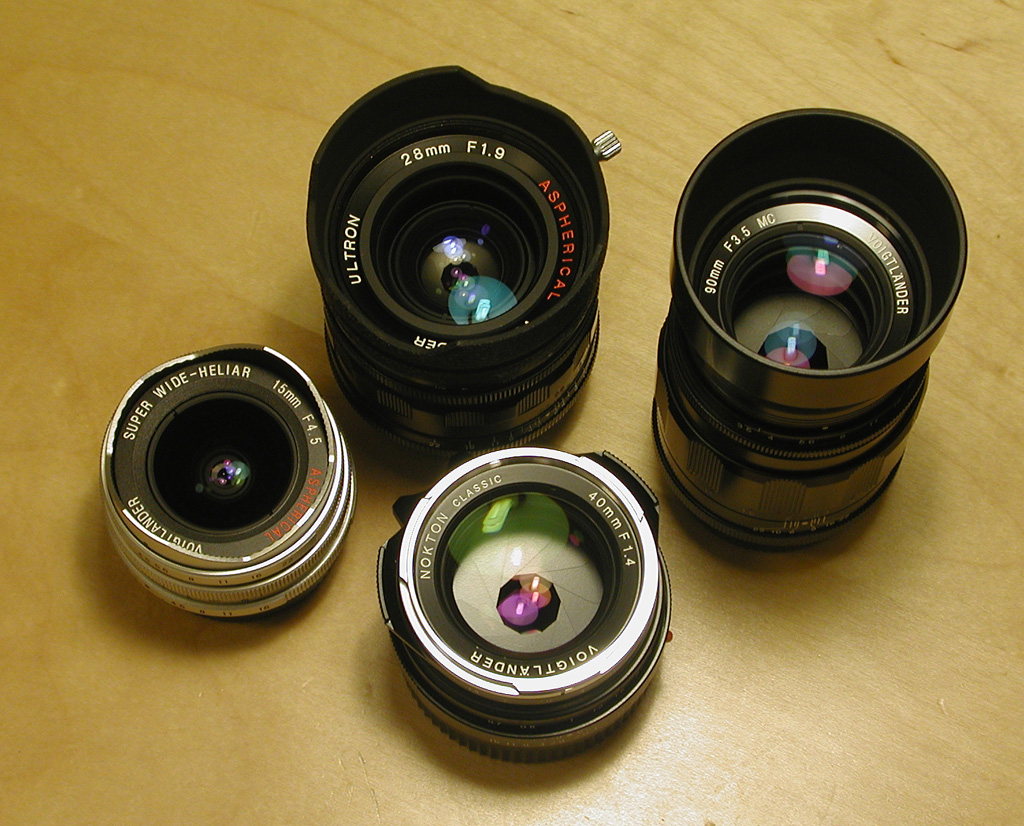
Sunday, November 12, 2006
New Carl Zeiss ZM lens for digital rangefinders.
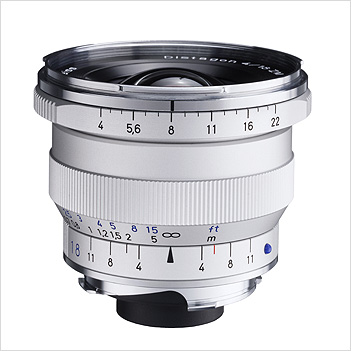
Zeiss ZM 4/18mm

Zeiss ZM 4,5/21mm
12th November 2006, Carl Zeiss will be two additional ZM mount lenses: (1) C Biogon T* 4,5/21 ZM; and (2) Distagon T* 4/18 ZM.
Release date for these lenses are unclear, and should perhaps be available in 2007 April.
More about C Biogon T* 4,5/21 ZM, & Distagon T* 4/18 ZM:-
These two lenses have much smaller apertures, and are obviously designed for digital rangefinders, namely the Leica M8, and Epson R-D1, R-D1s. Digital rangefinders can produce images with lower noise at higher ISO, thus these two lenses will be perfect even if it is less bright. With a focal mul
Previously Zeiss had released a ZM 2.8/18mm. It was made in Germany and carried a price tag of at least US$2,500 (to be exact, Japanese Yen 350,000). Awesome lens but it costs too much. The new less bright 4/18mm will certainly be more affordable.
Manfred
Friday, November 10, 2006

Monday, October 30, 2006
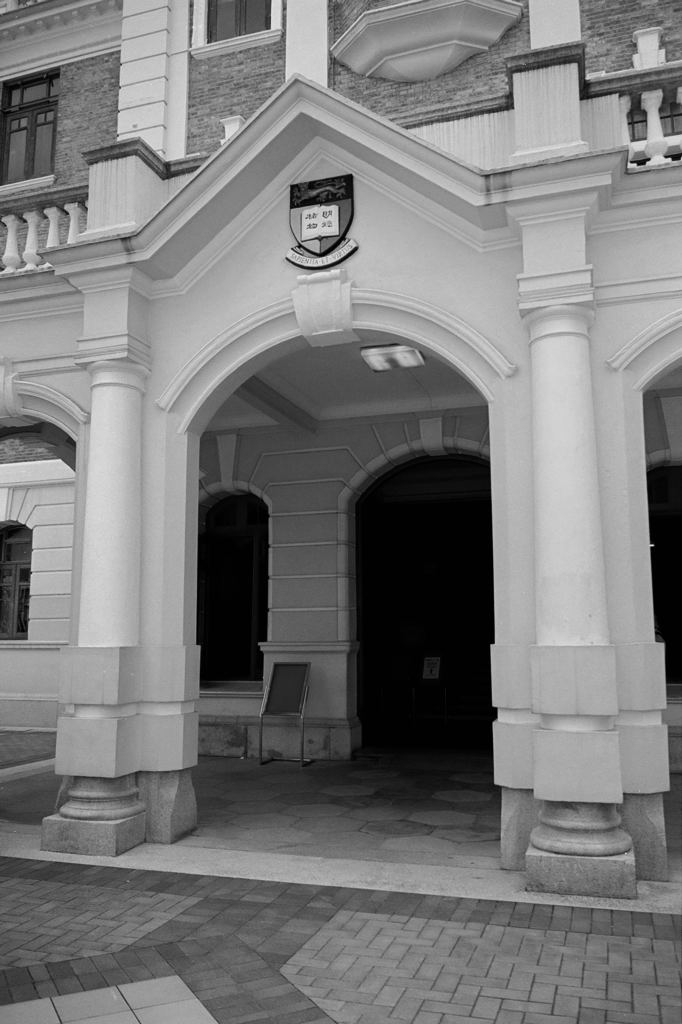


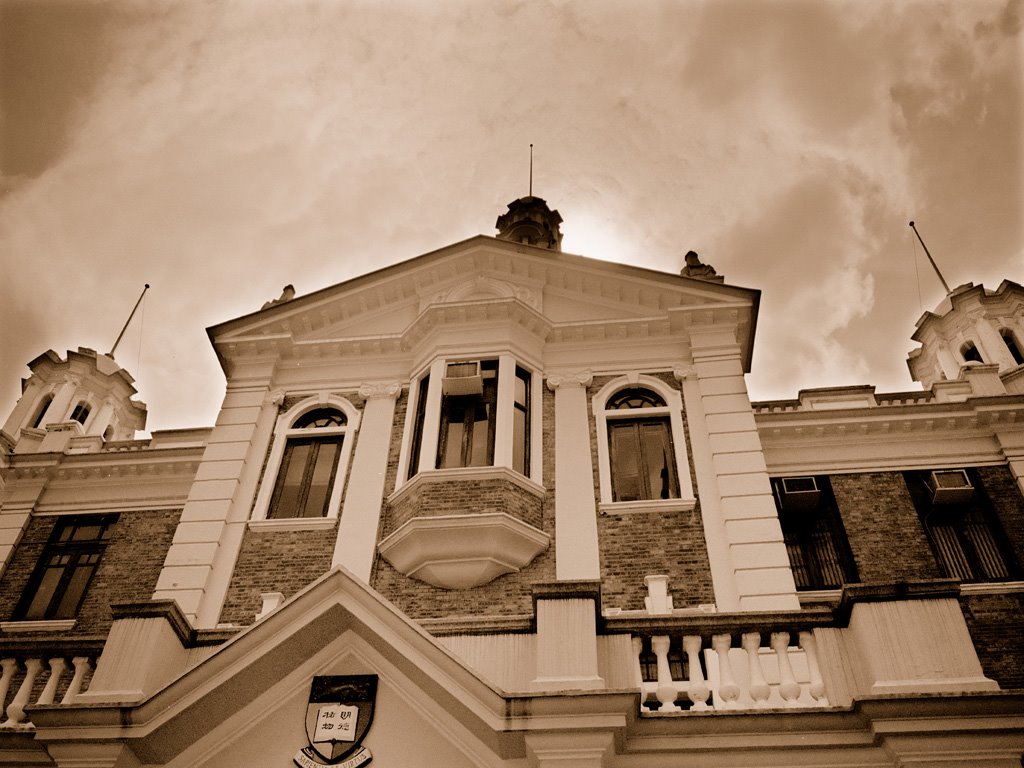
Sunday, October 29, 2006


Subscribe to:
Posts (Atom)